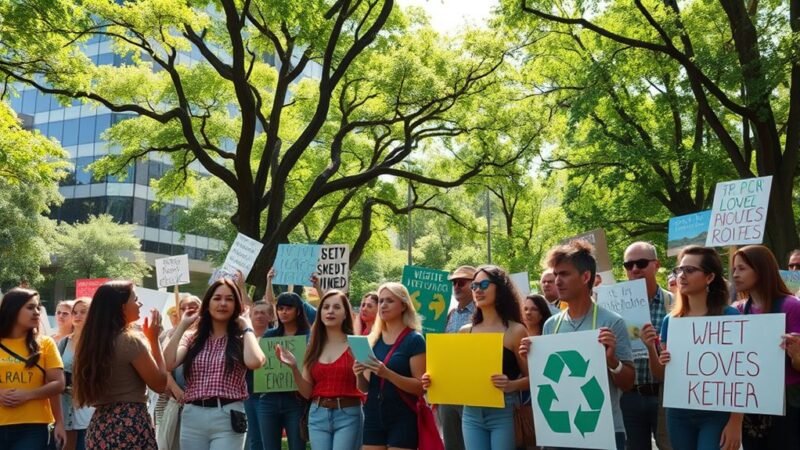
Imagine a world where rivers flow black with industrial waste, where city air chokes with smog, and where critical habitats vanish without a trace. It’s a stark picture, but one that was rapidly becoming reality just decades ago. What stood between us and that future? In large part, the tireless efforts of Environmental Policy & Advocacy. This isn't just about tree-hugging or protesting; it's a sophisticated, strategic discipline that shapes the very laws and regulations governing how we interact with our planet, safeguarding our natural heritage for generations to come. It’s about translating scientific understanding and public concern into tangible legal frameworks that demand accountability and foster sustainability.
At a Glance: Understanding Environmental Policy & Advocacy
- What it is: Influencing laws and regulations to protect the environment and promote sustainability.
- Key Goal: Translate environmental concerns into actionable public policies.
- Who's involved: Non-profits, community groups, scientists, government agencies, businesses, and everyday citizens.
- How it works: Strategies include grassroots organizing, public campaigns, lobbying, litigation, and building diverse coalitions.
- Why it matters: Creates effective environmental laws, raises public awareness, and drives sustainable practices.
- Its Impact: Shapes everything from clean air and water standards to global climate agreements and biodiversity protection.
More Than Just Buzzwords: What Environmental Policy & Advocacy Truly Means
At its heart, environmental policy advocacy is the organized effort to influence decisions and actions taken by governments, corporations, and other institutions concerning environmental issues. Think of it as the engine driving change, translating scientific understanding of ecological challenges into practical, enforceable solutions. It's the mechanism that ensures the air you breathe is clean, the water you drink is safe, and the natural spaces you cherish are protected.
This discipline isn't static; it constantly adapts to new scientific discoveries, evolving societal values, and emerging global crises. From local zoning battles that protect a community park to international treaties tackling climate change, advocacy ensures that environmental considerations are not just an afterthought but a foundational element of public policy.
A Journey Through Time: How Advocacy Forged Our Environmental Laws
The journey of environmental policy advocacy is a fascinating saga, deeply intertwined with human history and our evolving understanding of nature. It wasn't always a formalized discipline; early efforts often emerged from local concerns over resource depletion or public health crises.
The Seeds of Conservation: Early Movements (Late 19th & Early 20th Centuries)
The late 19th and early 20th centuries saw the birth of organized conservation movements, particularly in the United States. Figures like John Muir championed the preservation of wilderness, leading to the creation of national parks and forests. These early advocates recognized the intrinsic value of natural landscapes, even as industrialization surged. Their efforts laid the groundwork for future environmentalism, shifting public perception from viewing nature solely as a resource to exploit, to recognizing its inherent worth and the need for its protection.
A New Era: Landmark Legislation and Galvanizing Events
The mid-20th century marked a profound turning point. Growing public awareness of widespread pollution, fueled by books like Rachel Carson's "Silent Spring," catalyzed a new wave of activism. This era saw the passage of groundbreaking legislation:
- The Clean Air Act of 1963 (and subsequent amendments): This landmark law empowered the federal government to regulate air emissions from both stationary and mobile sources, dramatically improving air quality across the nation.
- The National Environmental Policy Act (NEPA) of 1969: A true game-changer, NEPA mandated environmental assessments for all major federal actions. This "look before you leap" approach ensures that potential environmental impacts are considered before projects proceed, giving communities and advocates a critical tool for intervention.
Perhaps no single event better illustrates the power of collective advocacy than the first Earth Day in 1970. Millions of Americans participated in demonstrations and teach-ins, demanding stronger environmental protections. This grassroots mobilization forced environmental issues onto the national political agenda, demonstrating the immense power of an engaged citizenry.
Defining Justice: Influential Court Cases
Beyond legislation, critical court cases have continually shaped the landscape of environmental policy:
- Sierra Club v. Morton (1970): This case, concerning the development of a ski resort in a national forest, was pivotal. While the Sierra Club ultimately lost, the dissenting opinions laid the groundwork for establishing "standing" for environmental groups in litigation. It affirmed the idea that organizations could represent the interests of the environment itself.
- Chevron U.S.A. Inc. v. Natural Resources Defense Council, Inc. (1984): This Supreme Court decision, known as the "Chevron deference," significantly impacted administrative law. It established that courts should defer to a federal agency's reasonable interpretation of an ambiguous statute. This solidified the power of agencies like the EPA to implement environmental regulations, even as it sometimes poses challenges for advocates seeking to challenge those regulations.
- Massachusetts v. EPA (2007): A monumental victory for climate advocacy, this case compelled the Environmental Protection Agency (EPA) to regulate greenhouse gases as pollutants under the Clean Air Act. It affirmed that states (and by extension, citizens) have the standing to sue federal agencies for failing to act on environmental threats, setting a precedent for climate litigation.
These historical milestones underscore that environmental protection isn't a given; it's a constant struggle, shaped by courageous advocates, informed policymakers, and the power of public opinion.
The Architects of Change: Key Players in Environmental Advocacy
Environmental policy advocacy is rarely a solo endeavor. It's a complex ecosystem involving a diverse array of stakeholders, each playing a crucial role in advancing environmental agendas.
- Non-Governmental Organizations (NGOs): From global giants like Greenpeace and the World Wildlife Fund to thousands of local conservation groups, NGOs are often the backbone of advocacy. They conduct research, raise public awareness, lobby policymakers, and engage in litigation.
- Community Groups: Often operating at the grassroots level, these groups address specific local issues—a contaminated water source, a proposed development, or loss of local green space. Their intimate knowledge of local contexts and passionate direct action can be incredibly powerful.
- The Scientific Community: Scientists provide the evidence-based arguments essential for effective advocacy. Their research on climate change, biodiversity loss, pollution, and ecological impacts forms the bedrock upon which policy recommendations are built. Advocates frequently collaborate with scientists to translate complex data into accessible arguments for policymakers and the public.
- Policymakers & Government Agencies: While often the target of advocacy, many policymakers and individuals within agencies like the EPA are dedicated to environmental protection. Advocates work to educate, influence, and collaborate with these individuals to craft and implement effective policies.
- Corporations: Increasingly, some corporations are becoming active in environmental advocacy, often driven by consumer demand, regulatory pressures, or a genuine commitment to sustainability. Their influence can be significant, both positively (e.g., advocating for renewable energy policies) and negatively (e.g., lobbying against stricter regulations).
- Individual Citizens: You! Every person who calls their representative, signs a petition, participates in a cleanup, or simply educates themselves contributes to the collective voice that demands environmental action.
These diverse entities work collectively on pressing issues like climate change mitigation, biodiversity conservation, plastic pollution, and water scarcity, creating a formidable force for change.
Your Toolkit for Impact: Strategies That Drive Change
Environmental advocacy isn't a one-size-fits-all approach; it employs a diverse array of strategies and mechanisms, often simultaneously, to achieve its goals.
Mobilizing the Masses: Grassroots & Public Awareness Campaigns
One of the most potent forces in environmental advocacy is public pressure.
- Grassroots Mobilization: This involves organizing local communities to take action on issues directly affecting them. It includes protests, rallies, letter-writing campaigns, community meetings, and local cleanups. The power of grassroots lies in its authenticity and direct impact on local decision-makers.
- Public Awareness Campaigns: Using media, social media, and educational materials, advocates aim to inform and engage the broader public about environmental issues. The goal is to shift public opinion, build support for policy changes, and inspire individual action. Effective campaigns often simplify complex issues, personalize impacts, and offer clear solutions.
Working the System: Legislative Advocacy & Collaboration
Engaging directly with governmental structures is crucial for translating advocacy into policy.
- Legislative Advocacy (Lobbying): This involves direct communication with lawmakers and their staff to influence the creation, amendment, or defeat of legislation. Lobbyists provide information, build relationships, and present compelling arguments rooted in scientific data and public interest.
- Collaboration with Governmental Entities: Advocacy isn't always confrontational. Often, environmental groups work with government agencies on initiatives, providing expertise, helping implement programs, or offering constructive criticism. This collaborative approach can lead to more effective and sustainable solutions.
Strength in Numbers: Coalition Building
Complex environmental challenges require broad-based solutions.
- Coalition Building: Environmental groups often form alliances with other NGOs, community organizations, labor unions, businesses, and even faith-based groups. These coalitions amplify voices, pool resources, and bring diverse perspectives to bear on an issue, making advocacy efforts more impactful. A broad coalition sends a strong message to policymakers that an issue has widespread support.
When All Else Fails: Litigation
The legal system provides a powerful avenue for environmental advocacy.
- Litigation: Environmental lawsuits can halt harmful projects, compel government agencies to enforce laws, and hold polluters accountable. This strategy often targets specific legal violations or aims to establish new legal precedents, as seen in cases like Massachusetts v. EPA. Access to justice is a cornerstone of effective environmental protection.
The Power of Evidence: Data and Research
Modern advocacy is increasingly data-driven.
- Evidence-Based Arguments: Leveraging scientific research, economic analyses, and social impact studies provides credibility and strengthens advocacy positions. Presenting facts, figures, and peer-reviewed data helps counter misinformation and sway skeptical decision-makers. Tools like Geographic Information Systems (GIS) can visually represent environmental data, making complex information accessible and compelling to a wider audience, including policymakers.
- Social Media & Digital Tools: In today's interconnected world, social media is an indispensable tool for rapid outreach, organizing, fundraising, and disseminating information. Mobile applications also empower citizens to report issues, track environmental quality, and participate in campaigns.
Navigating the Hurdles: Common Challenges in Environmental Advocacy
Despite its successes, environmental policy advocacy faces significant obstacles that require adaptive and resilient strategies.
The Headwinds of Resistance: Political & Economic Interests
One of the most formidable challenges is political resistance, often driven by competing economic interests. Industries may lobby against stricter regulations, arguing that environmental protections stifle economic growth or lead to job losses. This creates a difficult balancing act for policymakers, who must weigh environmental benefits against perceived economic costs. Advocacy groups often need to demonstrate the economic benefits of environmental protection (e.g., green jobs, reduced healthcare costs from pollution) to counter these arguments.
Apathy and Misinformation: Public Engagement
Another hurdle is the lack of public awareness and engagement. In an era of information overload, environmental issues can seem distant or overwhelming to the average person. This can lead to apathy, making it difficult to build the public pressure needed for policy change. Compounding this is the proliferation of misinformation and disinformation, which can sow doubt, confuse the public, and undermine scientific consensus on critical issues like climate change. Advocates must work tirelessly to communicate clearly, counter false narratives, and make environmental issues relatable and urgent.
The Persistent Struggle: Funding Constraints
Advocacy, like any concerted effort, requires resources. Funding constraints for advocacy groups are a constant challenge. Running campaigns, conducting research, engaging in litigation, and maintaining staff all cost money. Many environmental organizations rely on grants, individual donations, and membership fees, which can fluctuate, limiting their capacity for long-term, impactful work.
Thinking Local, Acting Global: Advocacy Across Scales
Environmental issues rarely respect boundaries, and neither do advocacy efforts. They operate simultaneously at local, national, and global scales, often in an interdependent dance.
Ground-Level Impact: Local Advocacy
Local advocacy, often characterized by grassroots efforts, addresses issues that directly affect specific communities. This could involve fighting a proposed landfill, advocating for urban green spaces, protecting local watersheds from pollution, or promoting sustainable farming practices. Local campaigns leverage community knowledge, direct democratic processes, and the immediate impact of environmental problems on residents' lives. Successes at the local level can serve as powerful models and inspiration for broader regional or national policies.
Tackling Transnational Threats: Global Advocacy
Global advocacy operates on a much larger stage, tackling transnational issues like climate change, biodiversity loss, and ocean plastic pollution. These efforts involve international coalitions of NGOs, intergovernmental organizations (like the United Nations Environmental Programme), and multinational corporations. Global advocates work to influence international treaties, agreements, and funding mechanisms. Their strategies often involve large-scale public awareness campaigns, diplomatic pressure, and promoting cross-border collaboration.
The Interconnected Web: Local Informing Global, Global Supporting Local
It's crucial to understand that these scales are deeply interdependent. Local successes in sustainable waste management, for example, can inform and inspire national and even global best practices. Conversely, global efforts (like international climate funds or agreements on endangered species) can provide critical resources, frameworks, and political leverage for local campaigns. A global climate agreement might compel national governments to enact policies that then empower local communities to pursue renewable energy projects. This continuous feedback loop strengthens the overall impact of environmental policy advocacy worldwide. Discover the Earth emoji to see how global awareness can connect to local action.
The Future is Now: Tech Innovations Supercharging Advocacy
Technology is rapidly transforming the landscape of environmental policy advocacy, offering unprecedented tools for data analysis, outreach, and engagement.
- Artificial Intelligence (AI) & Big Data Analytics: AI can process vast amounts of environmental data—from satellite imagery detecting deforestation to sensor networks monitoring air quality—identifying patterns and predicting future trends. Big data analytics allows advocates to pinpoint pollution hotspots, track policy impacts, and tailor campaigns to specific demographics with greater precision. This evidence-based approach makes arguments more robust and harder to dismiss.
- Geographic Information Systems (GIS): GIS tools are revolutionizing how environmental data is visualized and understood. Advocates use GIS to map environmental injustices, track habitat loss, model climate change impacts, and demonstrate the spatial relationship between pollution sources and affected communities. These visual aids are incredibly powerful for educating the public and presenting compelling cases to policymakers.
- Social Media & Mobile Applications: These platforms provide immediate, widespread communication channels for public awareness campaigns, rapid response to environmental threats, and community organizing. Mobile apps can empower citizens to become "citizen scientists," collecting and reporting data on local environmental conditions, from water quality to species sightings. They also facilitate petition signing, fundraising, and direct engagement with elected officials.
These innovations are not just making advocacy more efficient; they are fundamentally changing how environmental issues are understood, communicated, and acted upon, empowering a new generation of activists and policymakers.
New Frontiers: Addressing Emerging Environmental Crises
While historical battles for clean air and water continue, new and evolving environmental challenges demand adaptive and innovative advocacy strategies.
- Climate Change: The overarching environmental crisis of our time, climate change requires advocacy on multiple fronts: pushing for renewable energy transitions, carbon pricing, adaptation strategies, and international cooperation. Advocates must translate complex climate science into urgent calls for action, addressing both mitigation and resilience.
- Plastic Pollution: The pervasive issue of plastic waste, from microplastics in our food chain to massive ocean gyres, demands advocacy for circular economy principles, producer responsibility laws, and bans on single-use plastics.
- Biodiversity Loss: The accelerating extinction rate of species and degradation of ecosystems necessitate advocacy for stronger habitat protection, sustainable land use policies, and combating illegal wildlife trade.
- Water Scarcity & Quality: As populations grow and climate patterns shift, ensuring access to clean, sufficient water is paramount. Advocacy focuses on sustainable water management, protecting freshwater sources from pollution, and promoting water conservation policies.
Environmental policy advocacy plays a crucial role in shaping societal norms, promoting public health, and fostering sustainable practices that will define the well-being of future generations. It's about proactive solutions, not just reactive fixes.
Making a Difference: How You Can Engage in Environmental Advocacy
Feeling inspired? The good news is that you don't need a law degree or a lifetime of activism to make a difference. Every action, big or small, contributes to the collective voice.
Start Where You Are: Local Action
- Educate Yourself: Understand local environmental issues. What are the key challenges in your community? Where does your water come from? What are the local recycling policies?
- Join a Local Group: Community environmental organizations are always looking for volunteers. Lending your time, skills, or even just showing up to meetings can be incredibly impactful.
- Contact Your Local Representatives: Town council members, city planners, and county commissioners make decisions that directly affect your local environment. Share your concerns, ask questions, and offer solutions.
- Participate in Public Hearings: Many local environmental decisions are made during public hearings. Your voice, even if it's just one, matters.
- Vote Consciously: Research the environmental stances of candidates for local, state, and national offices. Your vote is a powerful advocacy tool.
Amplifying Your Voice: Broader Engagement
- Support Reputable Environmental NGOs: Donate, volunteer, or become a member of organizations working on issues you care about. Their expertise and reach are vital.
- Engage on Social Media: Share credible environmental information, participate in online campaigns, and advocate for policy changes using your digital platforms.
- Sign Petitions & Write Letters: While seemingly small, these actions collectively demonstrate public support for environmental policies to lawmakers.
- Be a Conscious Consumer: Your purchasing decisions have environmental impacts. Support businesses committed to sustainability and ethical practices. Reduce your consumption, reuse items, and recycle responsibly.
- Talk About It: Have conversations with friends, family, and colleagues about environmental issues. Raising awareness in your personal network can lead to broader engagement.
Beyond the Headlines: FAQs & Common Misconceptions
Is environmental advocacy just about protesting?
No, protesting is one tactic, but advocacy is much broader. It encompasses research, policy development, lobbying, legal action, education, community organizing, and collaboration with diverse stakeholders. It’s a multi-faceted strategic effort.
Don't environmental policies hurt the economy?
This is a common misconception. While some policies may incur initial costs, many environmental regulations drive innovation, create green jobs, improve public health (reducing healthcare costs), and protect natural resources that underpin long-term economic prosperity (e.g., clean water for agriculture, stable climate for tourism). Studies often show that the economic benefits of environmental protection outweigh the costs.
What's the difference between environmental policy and environmental law?
Environmental policy refers to the general plans, principles, and intentions of a government or organization regarding environmental protection. Environmental law refers to the actual statutes, regulations, and legal precedents that enforce those policies and can be challenged in court. Advocacy influences policy, which then gets codified into law.
Can one person really make a difference?
Absolutely. Every major environmental movement and landmark policy began with individuals who cared enough to speak up and act. Your voice, combined with others, creates the collective pressure necessary for systemic change. From participating in grassroots efforts to supporting organizations, individual actions collectively drive impact.
Is environmental advocacy only for scientists or lawyers?
Not at all. While scientific data and legal expertise are crucial, environmental advocacy needs diverse skills: communication, organizing, fundraising, marketing, graphic design, education, and passionate citizens from all walks of life. Everyone has a role to play.
Your Role in a Greener Tomorrow
The challenges facing our planet are undeniable, but so is the power of organized, informed action. Environmental policy advocacy isn't a passive observation; it's an active, ongoing effort to shape the future. By understanding its mechanisms, appreciating its history, and engaging with its strategies, you become part of a vital movement. Your voice, your choices, and your participation are not just contributions; they are essential investments in a healthier, more sustainable world for all. The path to a greener tomorrow is paved by policy and propelled by advocacy—and your journey starts now.